Healthy Drinks UK: What to Sip, Swap, and Avoid Every Day
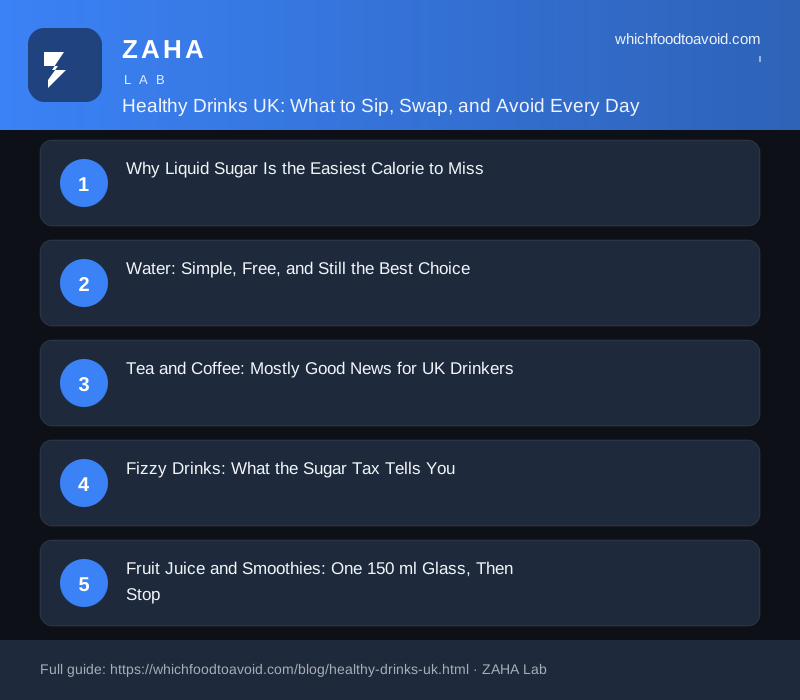
A standard 330 ml can of Coca-Cola delivers 35 g of sugar in one sitting. That is the full daily recommended limit for an adult, gone before lunch. The healthiest drinks for most UK adults are plain water, unsweetened tea, and black coffee, with fruit juice limited to no more than 150 ml per day. Most fizzy drinks, energy drinks, and commercial smoothies add significant sugar without meaningful nutritional return.
Why Liquid Sugar Is the Easiest Calorie to Miss
Drinks do not trigger fullness signals the way solid food does. A 500 ml bottle of Lucozade Original contains 62 g of sugar and delivers virtually no sense of satisfaction. Eat the same calories in wholegrain bread and you would feel full. That gap matters for weight management and blood sugar control alike.
NHS guidance identifies sugary drinks as a primary source of free sugars in the UK diet. Free sugars include anything added during manufacturing, plus sugars naturally present in honey, syrups, and fruit juice. They are directly linked to tooth decay and metabolic risk. Sugars locked inside intact fruit cells behave differently: the fibre matrix slows absorption and changes how the body processes them.
Water: Simple, Free, and Still the Best Choice
The NHS recommends 6 to 8 cups or glasses of fluid daily, and plain water counts entirely toward that. Sparkling water counts too. Neither damages tooth enamel at normal intake levels, though heavily citric-acid-flavoured varieties are slightly more erosive than plain.
England and Wales tap water is among the most tightly regulated in the world. A Brita filter jug reduces chlorine taste without improving nutritional content. Bottled water is not healthier than tap. It costs considerably more and generates plastic waste.
Adding sliced cucumber, mint, or a squeeze of lemon changes the flavour without adding sugar. No-added-sugar squash diluted to the recommended ratio on the label (Robinsons Squash'd, supermarket own-label) is a reasonable everyday compromise for adults who genuinely struggle with plain water.
Tea and Coffee: Mostly Good News for UK Drinkers
Both drinks appear in large observational studies linked to reduced risk of type 2 diabetes and cardiovascular disease. That does not make them medicine. It does mean there is no reason to cut them from a healthy daily routine.
Caffeine does not cause dehydration at normal doses. The mild diuretic effect is smaller than the fluid volume in the cup itself. Up to 400 mg of caffeine daily is considered safe for most healthy adults, per NHS guidance. That is roughly 3 to 4 mugs of filter coffee. Pregnant women should stay under 200 mg from all sources, including tea, cola, and chocolate.
The additions are what matter most. Two teaspoons of sugar in five daily teas adds 100 g of sugar per week. A large Caffe Nero Caramel Latte contains 44 g of sugar in a single cup. Black tea with no sugar, from any brand (Yorkshire Tea, PG Tips, Twinings, or supermarket own-label) is an excellent daily drink by any nutritional measure. Green tea and unsweetened herbal teas are equally fine and caffeine-free options for those sensitive to stimulants.
Fizzy Drinks: What the Sugar Tax Tells You
The 2018 UK Soft Drinks Industry Levy prompted wide reformulation. Ribena, Lucozade, and Fanta all reduced sugar content. A 330 ml can of Fanta Orange still contains 30 g of sugar after reformulation. The levy reduced content; it did not make these drinks healthy.
Diet and zero-sugar versions cut sugar and calories substantially. Coke Zero, Pepsi Max, and diet lemonade all contain under 1 g of sugar per 100 ml. NHS guidance does not discourage them for adults. Research into artificial sweeteners such as aspartame and sucralose is ongoing. No reliable evidence of harm at typical consumption has emerged from authoritative review bodies to date. Some research suggests maintaining a high intake of very sweet-tasting drinks can make less-sweet choices harder over time, though the evidence here is not settled.
Kombucha is frequently marketed as a health product. Most commercial varieties sold in UK supermarkets contain 5 to 12 g of sugar per 250 ml. The probiotic content has not been demonstrated at concentrations shown to affect gut health in clinical research. It is not harmful. It is also not a substitute for the dietary fibre that actually feeds gut bacteria.
Fruit Juice and Smoothies: One 150 ml Glass, Then Stop
Orange juice contains vitamin C, folate, and potassium. A 200 ml glass also delivers roughly 20 g of sugar and none of the fibre from the original fruit. The juicing process ruptures the cellular walls, releasing sugars that behave similarly to those added to a soft drink.
NHS guidance counts a maximum of 150 ml of unsweetened fruit juice or smoothie as one of your five daily fruit and vegetable portions, regardless of total volume consumed. Drinking 600 ml of pressed orange juice is not four portions. It is 60 g of sugar.
Whole-fruit smoothies blended at home retain fibre, which is a meaningful difference. Adding spinach, half a cucumber, and Greek yoghurt shifts a smoothie toward a balanced meal rather than a sugary drink. A blend of three bananas and mango, however, can exceed 60 g of sugar per serving. Tropicana, Innocent, M&S Pure Orange, and Tesco own-brand pressed juices all fall under the same NHS rule. 'No added sugar' on a label means the sugar is naturally present. It does not mean the sugar is low.
Sports Drinks, Energy Drinks, and Squash: When to Choose What
Sports drinks are designed for sustained exercise lasting 60 to 90 minutes or more. A 500 ml bottle of Lucozade Sport contains 32 g of sugar and electrolytes that replace those lost in prolonged sweat. For a 30-minute gym session or a brisk walk, plain water is sufficient. The sports drink adds 130 calories without meaningful benefit for shorter activity.
Energy drinks combine high caffeine with high sugar. A 250 ml can of Red Bull contains 80 mg of caffeine and 27 g of sugar. A 500 ml Monster Energy contains 160 mg of caffeine and 55 g of sugar. NHS guidance advises children avoid them entirely. For adults, these are high-caffeine, high-sugar products sold alongside health claims they do not support.
No-added-sugar squash (Robinsons, Ribena Light, own-label supermarket options) is one of the most practical tools for UK adults who need flavour to drink enough fluid. At the correct dilution ratio on the label, sugar content is minimal and the cost per litre is far lower than bottled water. Concentrating above the recommended ratio pushes sweetener intake up sharply and removes that advantage.
Frequently Asked Questions
Is fruit juice one of your 5-a-day?
Yes, but only once regardless of how much you drink. NHS guidance counts a maximum of 150 ml of unsweetened fruit juice or smoothie as one of your five daily portions. A second glass does not add a second portion toward the daily target.
Is diet cola bad for you?
Current evidence does not show harm for adults at typical consumption levels, and NHS guidance does not advise against it. Research into artificial sweeteners continues and findings are mixed, so moderate consumption is sensible rather than treating zero-sugar drinks as an unlimited choice.
How much coffee is safe to drink per day?
Up to 400 mg of caffeine daily is considered safe for most healthy adults, per NHS guidance. That is roughly 3 to 4 mugs of filter coffee or 4 standard espresso shots. Pregnant women should stay below 200 mg daily from all sources, including tea, cola, and chocolate.
Does sparkling water damage tooth enamel?
Plain sparkling water is mildly acidic but is not linked to significant enamel erosion at normal intake levels. Flavoured sparkling waters containing citric acid carry more risk. Drinking them with meals rather than sipping continuously throughout the day reduces the time teeth are exposed to acid.