Healthy Meal Prep UK: Batch Cooking Ideas That Actually Work on Busy Weekdays
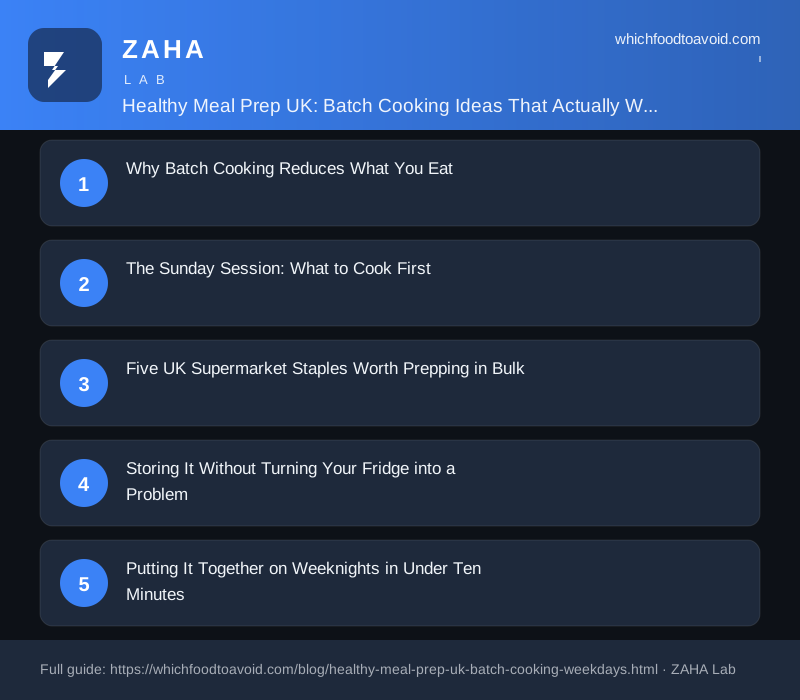
Most people abandon meal prep after one Sunday. The plan collapses by Tuesday. Healthy meal prep for UK weekdays works when it fits into 90 minutes and relies on ingredients you would buy anyway. The elaborate version with 14 different components is the main reason Sunday plans collapse by Wednesday.
Why Batch Cooking Reduces What You Eat
A 2022 study published in the International Journal of Behavioral Nutrition and Physical Activity found that people who planned meals in advance consumed fewer calories and more vegetables than those who decided at the last minute. Meal planners ate roughly 150 fewer calories per day on average.
The mechanism is simple. When you open an empty fridge at 7pm after a long shift, you reach for whatever is fastest. Usually that means toast, a microwave meal, or a takeaway. If cooked food is already waiting, the decision is made before hunger overrides it.
NHS guidance on healthy eating recommends filling at least a third of your plate with vegetables or salad. Batch cooking makes this the default because the vegetables are already prepared. You are not washing, chopping, and cooking after a nine-hour day.
The Sunday Session: What to Cook First
Pick three anchor foods. These are items that take the most prep time during the week but last five to six days in the fridge once cooked. Good anchors for a UK kitchen:
- Brown rice or wholegrain pasta: Cook 400g dry weight. Tesco and Sainsbury's own-brand brown rice costs around 90p per kilo. It reheats cleanly in 90 seconds with a tablespoon of water added before microwaving.
- A tray of roasted vegetables: Courgette, red pepper, red onion, cherry tomatoes. Drizzle with rapeseed oil (Morrisons own-label, roughly 89p per litre), season, and roast at 200C for 30 minutes. Enough for four lunches.
- A protein base: Baked chicken thighs, a tin of Merchant Gourmet lentils heated with cumin and garlic, or six hard-boiled eggs. Protein slows digestion and reduces the mid-afternoon energy drop that sends people to the biscuit tin.
Total active cooking time: approximately 90 minutes, most of which is oven time while you do something else.
Five UK Supermarket Staples Worth Prepping in Bulk
These are specific, cheap, and available in every major UK supermarket.
- Tinned chickpeas (around 45p at Aldi): Drain, rinse, roast at 200C for 25 minutes with smoked paprika. Eat as a snack or add to a salad. Each 100g serving provides roughly 8g of protein and 7g of fibre.
- Frozen edamame (Iceland, about £1.50 for 500g): Boil from frozen in four minutes. Keeps well cold in lunchboxes. Each 100g portion contains approximately 11g of protein.
- Oats (Quaker Rolled Oats or Asda Smart Price): Overnight oats take three minutes to prepare the night before. Research cited in NHS guidance on fibre intake notes that oat beta-glucan helps maintain stable blood sugar through the morning.
- Sweet potato: Bake four at once at 180C for 45 minutes. Store them whole in the fridge. Reheat in two minutes. A medium sweet potato contains around 4g of fibre and approximately 450mg of potassium.
- Frozen spinach (Waitrose Essentials or Lidl): Already washed, blanched, and portioned. Add to scrambled eggs, pasta sauces, or soups with no prep at all. Research from the University of California found frozen vegetables retain comparable nutrient levels to fresh.
Storing It Without Turning Your Fridge into a Problem
Food safety matters. NHS guidelines state that cooked food stored in the fridge should be eaten within two days for meat dishes and three to four days for cooked grains and vegetables. Write the date on the container with masking tape and a marker. It takes five seconds. Saves a Tuesday morning calculation of whether that rice is still safe.
Stack glass containers when possible. IKEA 365+ glass containers (around £3 each) survive the dishwasher, do not absorb smells, and go straight from fridge to microwave. Plastic works too. The container material does not affect nutritional content.
Keep prepped items at eye level in the fridge. Research on food environment design consistently shows that people eat what they see first. Push the prepared food to the back and it stays there until it becomes a problem.
Putting It Together on Weeknights in Under Ten Minutes
Assembly is not cooking. On Monday evening you are combining prepped ingredients, not starting from scratch. This distinction matters. The task feels small because it is small.
A weekday dinner formula that meets NHS guidance on balanced plates:
- Protein (chicken, lentils, eggs, tinned sardines): one palm-sized portion
- Carbohydrate (brown rice, sweet potato, wholegrain pitta): a cupped-hand volume
- Vegetables: roughly half the plate
- Fat: a small drizzle of extra-virgin olive oil or a quarter of an avocado
No weighing required. These are visual guides, not rigid rules. A 2019 review in the British Medical Journal found that flexible dietary approaches produce better long-term adherence than strict calorie counting for most people.
What to Skip to Keep It Sustainable
Batch cooking fails when it becomes a second job. Skip anything that requires:
- More than three fresh herbs bought specifically for one recipe
- A recipe you have never made before
- Portioning food into 12 identical containers in one sitting
- Sauces that need simmering for over an hour
Start with two anchor foods and one protein source. Add complexity after four weeks if it still feels manageable. The NHS Eat Well Guide is a practical reference for understanding plate proportions without obsessing over macros.
Frequently Asked Questions
How long does batch-cooked food last in the fridge?
Cooked grains and roasted vegetables keep for three to four days in airtight containers. Cooked chicken and other meat dishes should be eaten within two days. Always follow NHS food storage guidelines if you are unsure about a specific food.
Can I freeze meal-prepped food instead of refrigerating it?
Yes. Cooked brown rice, lentils, and most roasted vegetables freeze well for up to three months. Portion into individual servings before freezing to avoid defrosting a large batch for one meal. Avoid freezing cooked eggs or potatoes as the texture degrades noticeably.
Is meal prep actually cheaper than buying lunch in the UK every day?
A typical meal-deal lunch at UK supermarkets costs £3.50 to £5.00. A home-prepped lunch using the staples above, including protein, grains, and roasted veg, costs roughly £1.20 to £1.80 per portion. Over five working days, that is a saving of around £10 to £16 per week.
Do I need expensive equipment to start?
No. A standard oven, a large saucepan, and one baking tray cover every anchor food described above. Glass containers help but are not required at the start. Begin with what you already have before buying anything new.