How Much Protein Do You Need Daily? UK Sources, Servings, and NHS Advice
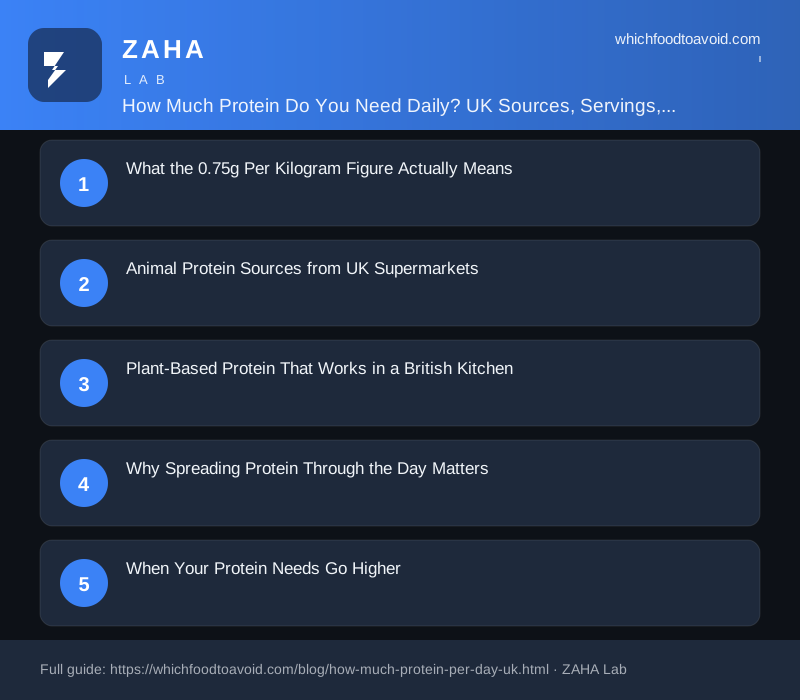
Most UK adults get more protein at dinner than at any other meal, then feel hungry again before 9am. Your daily protein target is roughly 0.75g per kilogram of body weight, the Reference Nutrient Intake (RNI) set by NHS guidance for healthy adults. For a 70kg adult, that is about 52g a day. A single cooked chicken breast gets you most of the way there.
That number sounds manageable. But source, timing, and variety all change how well your body puts that protein to use.
What the 0.75g Per Kilogram Figure Actually Means
The RNI is set to cover the needs of 97.5% of healthy adults. It is a floor, not a ceiling. Older adults over 65, pregnant women, people recovering from illness, and anyone following a structured training programme all have higher requirements.
Research suggests adults over 65 may benefit from 1.0 to 1.2g per kg per day to slow age-related muscle loss, a recommendation supported by the British Dietetic Association. NHS guidance on pregnancy notes that protein needs increase modestly in the later months, and a varied diet should meet those needs for most people.
Protein quality matters as much as quantity. Animal proteins contain all nine essential amino acids your body cannot make on its own. Many plant proteins are low in one or more of those amino acids. That is not a problem in isolation; it simply means variety becomes more important when most of your protein comes from plants.
Animal Protein Sources from UK Supermarkets
Chicken breast is one of the most practical options. A 150g cooked fillet from a Tesco or Sainsbury's pack provides around 46g of protein. Tinned fish is equally straightforward: a 130g drained can of John West tuna gives approximately 30g. Two large free-range eggs from any UK supermarket contribute around 13g.
Greek yogurt is worth building into your routine. A 170g pot of Fage Total 0% contains roughly 17g of protein. Quark, stocked by Lidl and all major supermarkets, delivers around 12g per 100g and blends into smoothies or pasta sauces without altering the flavour significantly. Cottage cheese averages 12g per 100g and pairs well with oatcakes or sliced cucumber.
A 250ml glass of semi-skimmed milk adds around 9g. Skyr, now common in Aldi and Tesco, runs closer to 11 to 13g per 100g depending on brand and flavouring.
Plant-Based Protein That Works in a British Kitchen
Red lentils deliver 9g of protein per 100g cooked and absorb any spice blend. A 500g bag costs under 80p at Asda or Lidl. Cooked chickpeas sit at about 8g per 100g and carry useful fibre alongside. Frozen edamame beans, now stocked in most large supermarkets, provide 11g per 100g cooked and are ready in four minutes from frozen.
Quorn mince is a specifically British option. A 300g pack provides roughly 23g of protein and behaves closely enough to beef mince for use in a Bolognese or shepherd's pie. It is made from mycoprotein; a trial at the University of Exeter found it supports muscle protein synthesis comparably to skimmed milk in young adults.
Firm tofu runs at about 8g per 100g and holds its shape in stir-fries. Tempeh, made from fermented soy beans, delivers around 19g per 100g and has a denser, nuttier texture. Both are now available in the chilled sections at Sainsbury's, Tesco, and Morrisons. Hemp seeds (4 tablespoons give around 13g) and pumpkin seeds (100g provides about 19g) are easy to add to porridge or yogurt to close any daily shortfall.
Why Spreading Protein Through the Day Matters
Eating 70g of protein in one evening meal is less effective than spreading the same total across three meals. Research suggests muscle protein synthesis peaks and then plateaus after roughly 20 to 40g of quality protein at a sitting, though the ceiling varies with body size and training level.
A workable daily split might look like this: 15 to 20g at breakfast (Greek yogurt with hemp seeds, or two eggs on wholegrain toast), 25 to 30g at lunch (a chicken, lentil, or tuna-based dish), and 25 to 30g at dinner. A small snack of cottage cheese or a handful of edamame fills any gaps.
Spreading intake also helps with fullness. Protein is more satiating per calorie than either carbohydrate or fat. NHS weight management guidance points to protein-rich meals as a practical way to reduce total intake without strict calorie counting.
When Your Protein Needs Go Higher
Endurance runners and cyclists training more than 10 hours per week typically target 1.2 to 1.6g per kg per day. Strength athletes aiming to build muscle often aim for 1.6 to 2.2g per kg, based on a 2017 meta-analysis in the British Journal of Sports Medicine. Evidence for meaningful benefit beyond 2.2g per kg is limited.
For adults over 60, the concern is sarcopenia: gradual muscle loss that accelerates with age. NHS guidance does not yet revise the standard RNI upward for older adults, but the British Dietetic Association recommends aiming higher as a precaution. A simple approach is to add one clear protein source to each meal rather than counting grams daily.
Anyone with chronic kidney disease should not increase protein intake without speaking to a GP or registered dietitian first. Higher intakes can place additional strain on kidney function, and NHS guidance is clear that this group needs personalised advice.
Frequently Asked Questions
Can you eat too much protein?
For most healthy adults, intakes up to 2g per kg per day appear safe based on current evidence. Very high intakes have not been shown to harm people with healthy kidneys, but the evidence base past that range is thin. Anyone with existing kidney disease should stay within limits set by their clinical team.
Do plant proteins count the same as animal proteins?
Plant proteins vary in digestibility and amino acid completeness. Animal proteins are generally absorbed more efficiently, but a varied plant-based diet across legumes, grains, seeds, and vegetables covers all essential amino acids across the day. Soy-based foods such as tofu, tempeh, and edamame come closest to animal protein in amino acid profile.
Do you need protein supplements to hit your daily target?
Not usually. A 70kg adult needs around 52g per day. Two chicken thighs and a pot of Greek yogurt cover that comfortably. Supplements are useful for people who struggle to eat enough whole food protein due to illness or a very restricted diet, but most people eating a varied UK diet do not need them.
How much protein is in a typical UK evening meal?
A standard roast chicken dinner provides roughly 35 to 50g depending on portion size. A homemade red lentil dhal using 100g dry lentils per serving gives around 18g. Most main meals that include a clear protein source, whether meat, fish, eggs, beans, or tofu, will land in the 20 to 40g range.