Foods to Avoid with Diabetes: A Practical UK Guide
Nearly 5 million people in the UK have diabetes, yet blood sugar spikes are often caused by everyday foods that seem entirely harmless. The main foods to limit or avoid are sugary drinks, white refined carbohydrates, fruit juice, pastries, and high-sugar condiments, because they raise blood glucose rapidly with little to slow absorption.
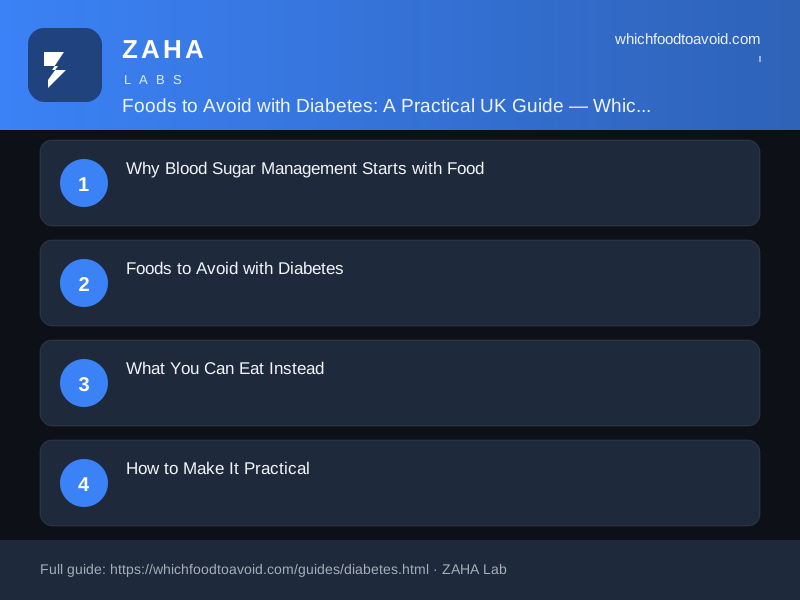
Why Blood Sugar Management Starts with Food
When you eat carbohydrates, your body converts them to glucose. How quickly this happens is measured by the glycaemic index (GI), a scale from 0 to 100. High-GI foods flood the bloodstream with glucose fast, making blood sugar control significantly harder. For people with type 1, type 2, or prediabetes, persistently raised blood sugar increases the risk of complications affecting the heart, kidneys, eyes, and nerves.
Foods to Avoid with Diabetes
| Food | Why it is a problem | GI / Notes |
|---|---|---|
| Sugary drinks (cola, energy drinks, squash) | Pure glucose absorbed rapidly; no fibre to slow release | GI 60–70+ |
| Fruit juice (including 'no added sugar') | Juicing removes fibre; fructose still spikes blood sugar | GI ~50–70 |
| White bread and white rolls | Rapidly digested refined starch with minimal fibre | GI ~70–75 |
| White rice | High GI, especially when freshly cooked | GI ~70–87 |
| Instant or mashed potato | Very rapidly digested starch, one of the highest-GI foods | GI 80–90 |
| Pastries, cakes, and biscuits | High refined carbs combined with saturated fat | GI ~65–80 |
| Frosted or puffed breakfast cereals | High sugar plus refined grain; misleadingly marketed as healthy | GI ~70–82 |
| Sweets and confectionery | Pure sugar, negligible fibre, rapid absorption | GI ~65–78 |
| High-sugar condiments (ketchup, sweet chilli sauce) | Can contain 4–6 g sugar per tablespoon; easy to underestimate | — |
| Pastry-wrapped processed meats (sausage rolls, pies) | Refined carbs combined with saturated fat in one hit | — |
What You Can Eat Instead
- Whole grains: porridge oats (GI ~55), wholegrain bread, brown rice, bulgur wheat
- Legumes: lentils, chickpeas, kidney beans, high fibre and low GI (20–40)
- Non-starchy vegetables: broccoli, spinach, courgette, peppers, and leafy greens
- Lean proteins: chicken, eggs, oily fish twice a week (per NHS guidance), tofu
- Healthy fats: avocado, unsalted nuts, olive oil
- Low-GI fruit eaten whole: berries, apples, and pears, avoid juicing them
- Drinks: plain water, unsweetened tea, or sparkling water in place of sugary drinks
How to Make It Practical
- Swap, don't ban. Replace white rice with cauliflower rice or brown rice; swap biscuits for a small handful of unsalted nuts. Small consistent swaps outperform dramatic overhauls.
- Read UK traffic-light labels. Aim for green or amber on sugar, under 5 g per 100 g is low; over 22.5 g is high. The traffic-light system is unique to UK-sold food and is one of the most practical tools you have.
- Use the NHS Eatwell Guide as your plate template. Fill half your plate with vegetables, a quarter with wholegrains, and a quarter with lean protein.
- Watch portions, not only food type. A small serving of white pasta with plenty of vegetables raises blood sugar less than a large serving of wholegrain pasta eaten alone. Context matters.
- Spread carbs across meals. Distributing carbohydrate intake evenly through the day helps avoid large post-meal spikes, discuss this approach with your diabetes dietitian or GP.
Frequently Asked Questions
Is fruit okay to eat with diabetes?
Whole fruit is generally fine in moderate portions, its fibre slows sugar absorption considerably. Berries, apples, and pears are lower-GI choices than tropical fruits such as mango or pineapple. Avoid fruit juice entirely: juicing strips out the fibre that makes whole fruit manageable.
Can people with diabetes eat bread?
Yes, but choose wholegrain, seeded, or sourdough varieties. Sourdough's fermentation process lowers its glycaemic impact compared with standard white bread, making it one of the better options if you enjoy bread regularly.
Are sweeteners a safe swap for sugar?
The NHS and Diabetes UK consider approved sweeteners, including stevia, aspartame, and sucralose, safe for people with diabetes and useful for cutting sugar intake. The evidence-based approach is to use them as a bridge towards reducing overall sweetness preference, rather than as a permanent like-for-like replacement.
Does cutting carbs completely help with diabetes?
Very low-carbohydrate diets can support remission in some people with type 2 diabetes, but they are not right for everyone, particularly those on insulin or certain glucose-lowering medications, where reducing carbs without supervision can trigger hypoglycaemia. Always discuss major dietary changes with your GP or diabetes care team before making them.
Medical disclaimer: This article is for general information only and does not constitute medical advice. Everyone's diabetes is different and individual needs vary. Always speak with your GP, diabetes nurse, or a registered dietitian before making significant changes to your diet, especially if you use insulin or glucose-lowering medication.
Diabetes Freedom is a structured diet-and-lifestyle plan built around the foods that spike blood sugar, a practical next step many readers take after this guide.
View the Diabetes Freedom plan →
Also popular: Sugar Defender, a daily blood-sugar support formula.
Affiliate link, if you buy through this link we may earn a commission at no extra cost to you. Always speak to your GP or a registered dietitian before starting any diet or supplement programme.